
RISTORAZIONE 4.0

RISTORAZIONE 4.0
“As a result of Idea75’s R&D activities the innovative analytics algorithms were a solid starting point for the implementation of the DSS currently in use in our products for the catering sector.”
RISTORAZIONE 4.0
PROJECT DATA
Customer: HS Systems
Category: Research and development
Start: 03/2017- End: 12/2017
PROJECT DATA
Customer: HS Systems
Category: Research and development
Start: 03/2017- End: 12/2017
RESULTS

KPIs monitored

Discarded Products

Product Freshness

Unsold Stocks
OBJECTIVES
 The goal of the research was to design an integrated decision support platform for the production and sales systems in the catering sector.
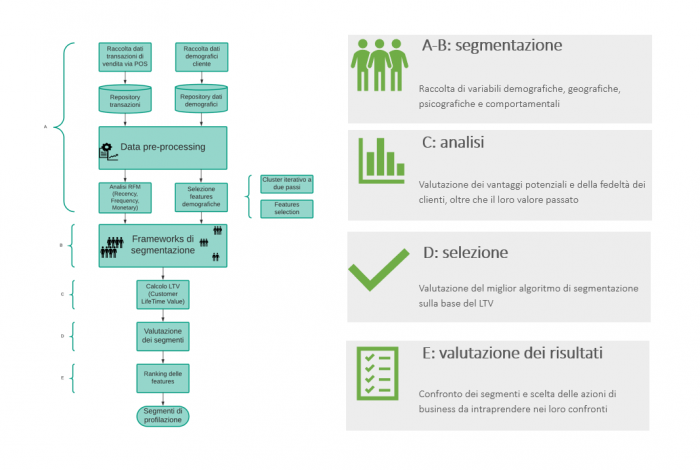
The project aimed to identify the decision support models applicable to the specific area, to define a decision support model for the catering sector from an Industry 4.0 perspective, to research and to synthesize innovative customer profiling algorithms to be applied in the catering sector and to design, develop and test a decision-making engine for the optimization of planning and implementation of the on demand production functions.
SOLUTIONS
The purpose of the decision support system (DSS) is to optimize production planning through demand forecasting systems that allow the implementation of on demand production.
MORE IN DEPTH
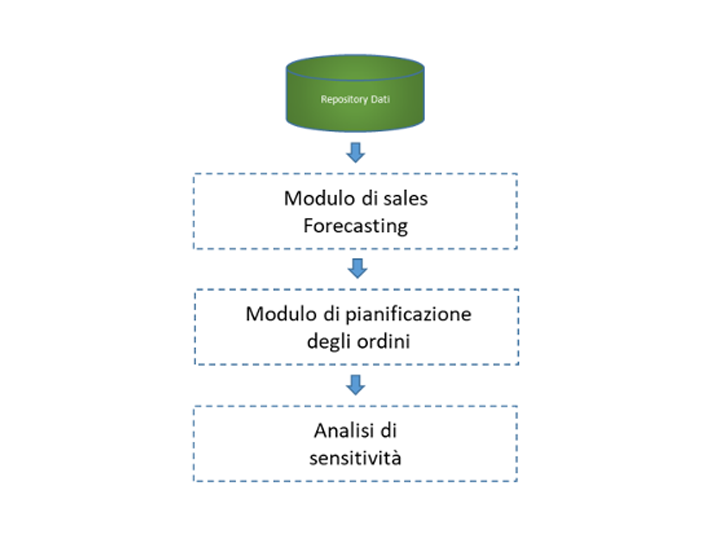
The objective of the Ristorazione 4.0 project was achieved by designing a modular and reliable DSS, composed by different elements:
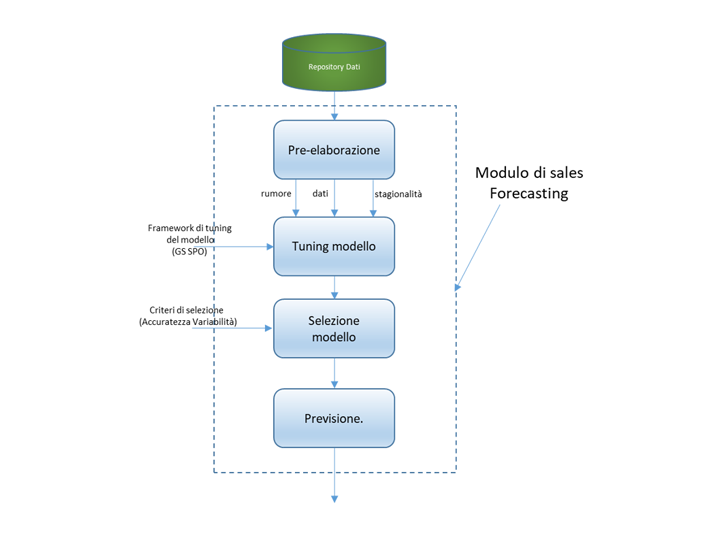
- the first module enables a sales forecast which is used to determine the future demand from the acquired data; therefore, this module is dedicated to the automatic selection of the forecast model, based on some general criteria defined by the user;
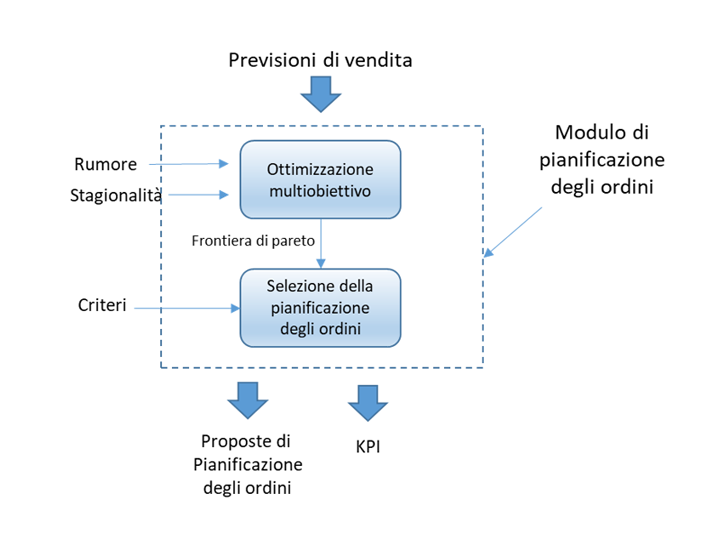
- the second module provides support for order planning, including the multi-objective optimization method;
- the third module carries out a sensitivity analysis in order to assess its performance and to provide a Pareto list of optimal order proposals according to some key performance indicators (KPIs) crucial for fresh and perishable products such as expiration dates, exhaustion of stocks and freshness.
For the validation of Ristorazione 4.0, various test cases were taken into consideration, according to their product category; each of these has sale constraints:
- lot size (multiple orders of a minimum quantity);
- delivery times;
- processing times (starting at order placement).
Production planning based on sales forecast was carried out through the analysis and monitoring of various KPIs, such as:
- Waste (scarti): elements to be eliminated from the forecast timeframe due to the expiry of their shelf life;
- Freshness (freschezza): product age at the time of sale to the consumer;
- Stock outs (esaurimento scorte): unsatisfied demand at the end of the forecast timeframe.
In addition, out of samples indicators were evaluated for six different prediction models and for the different optimization methods used.
The implemented decision support system dynamically adapts to the available data, selecting the most appropriate forecast model based on criteria specified by the user (accuracy criterion or variability criterion).
Comparative tests were carried out on the results obtained considering the implemented techniques and the classic techniques used as benchmarks; the sensitivity analysis conducted states that there is always at least one model among those provided by the DSS that works better than the traditional ones.
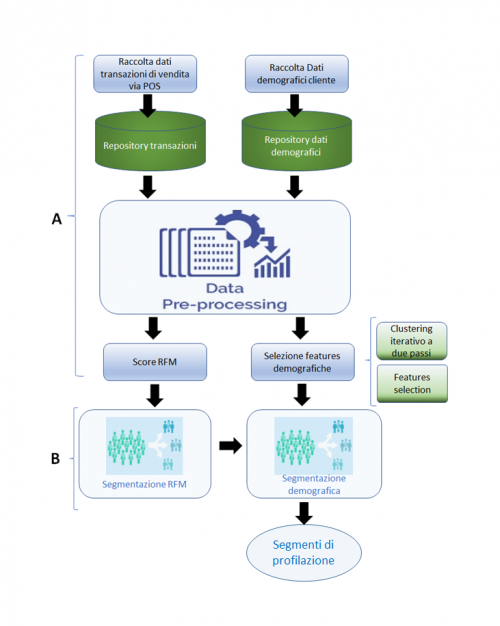
Customer Profiling Data Analysis
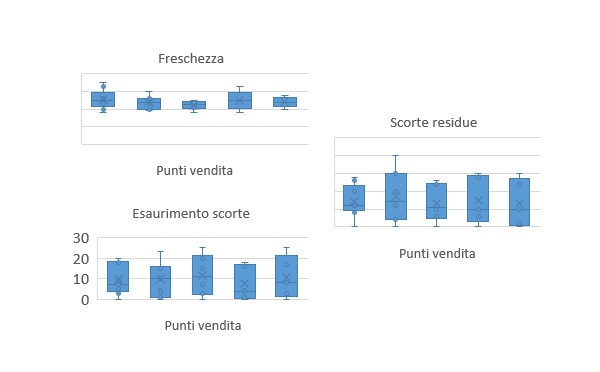
Analysis of performance indexes
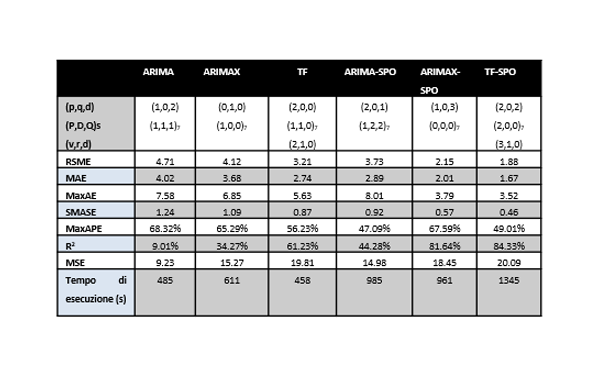
Optimization methods used: comparison
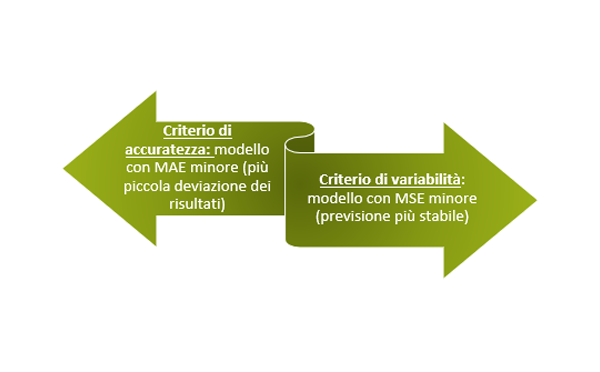
DSS: selection criteria for the most appropriate forecasting model
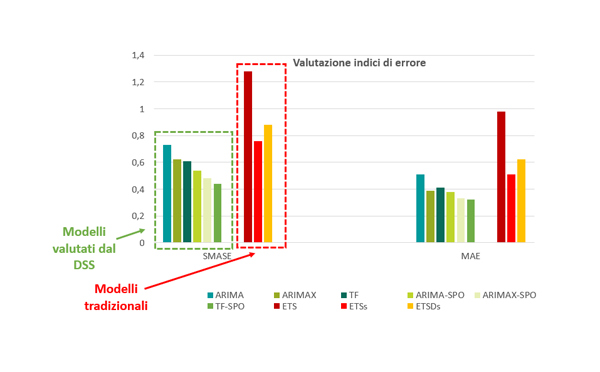
Evaluation of error indexes: comparison between traditional models and models validated by the DSS
STAKEHOLDERS & CREDITS

H.S. Systems offers business management software, analytics and cloud services to help organizations improve performance and apply digital technologies to break traditional thinking and enable new business models.
www.hssystems.it
